
Why Uganda is the most flexible place to trek
Uganda offers more habituated gorilla families than any other country. Around twenty families in Bwindi and one in Mgahinga can be visited, which means more permits per day and more choice of dates. Permits in Rwanda's Volcanoes National Park are limited to a smaller number of families, so dry-season dates there disappear early. In Uganda you can often still find something for a date that is only a few months away, although the popular months do fill.
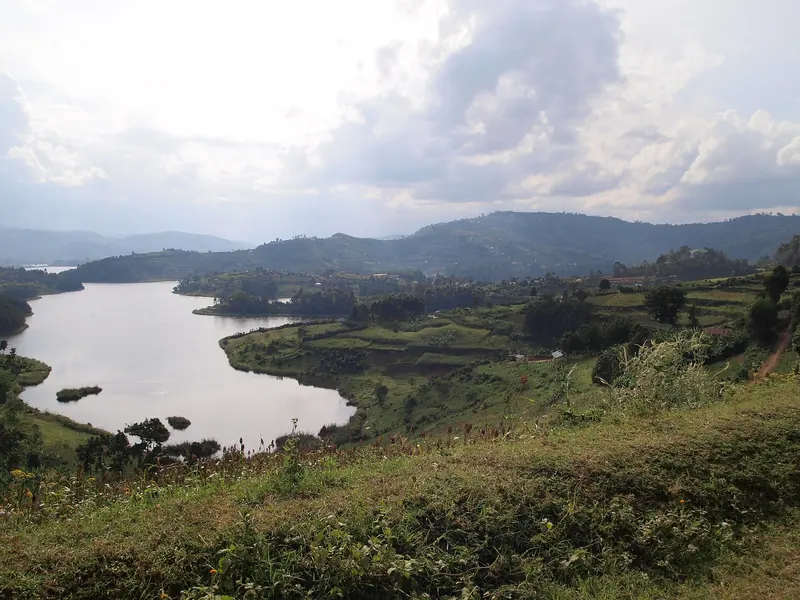
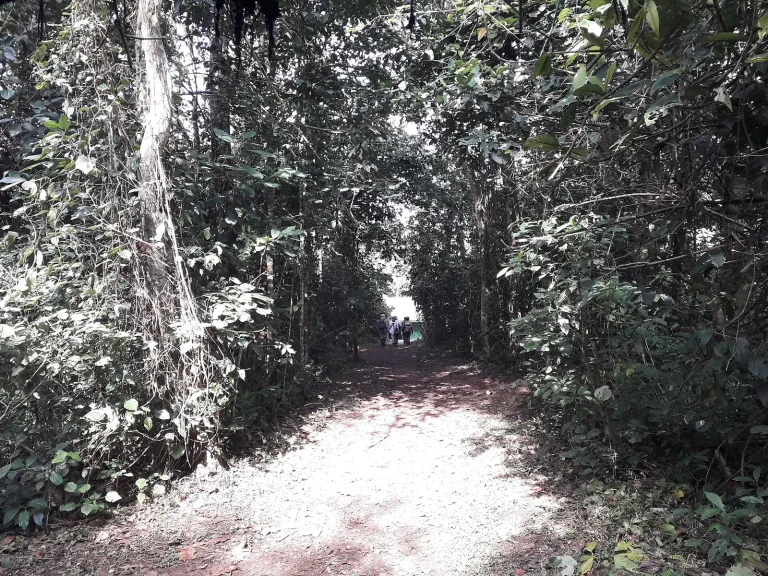
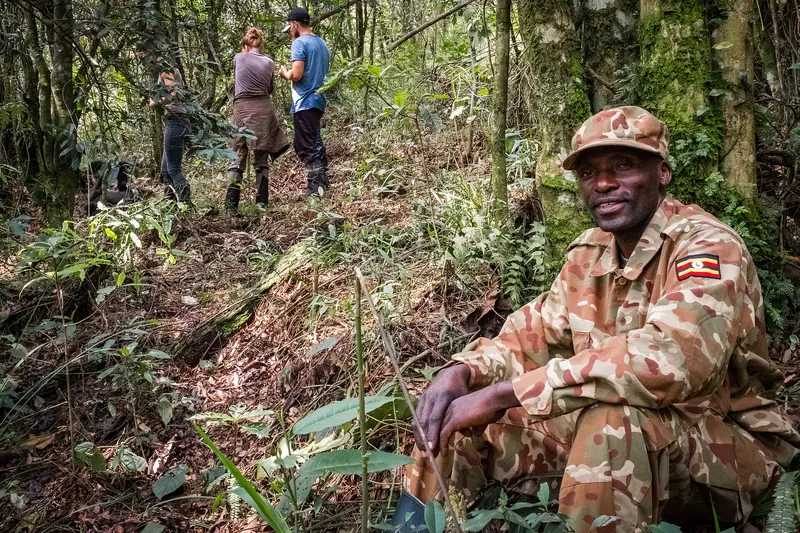
The forest itself is also different. Bwindi is steep, dense and humid, with tree ferns, giant lobelias and vines at every turn. You walk on narrow trails or through the undergrowth behind a ranger who cuts a path with a machete. It is closer to an expedition than a park stroll, and many trekkers say that is part of the appeal.
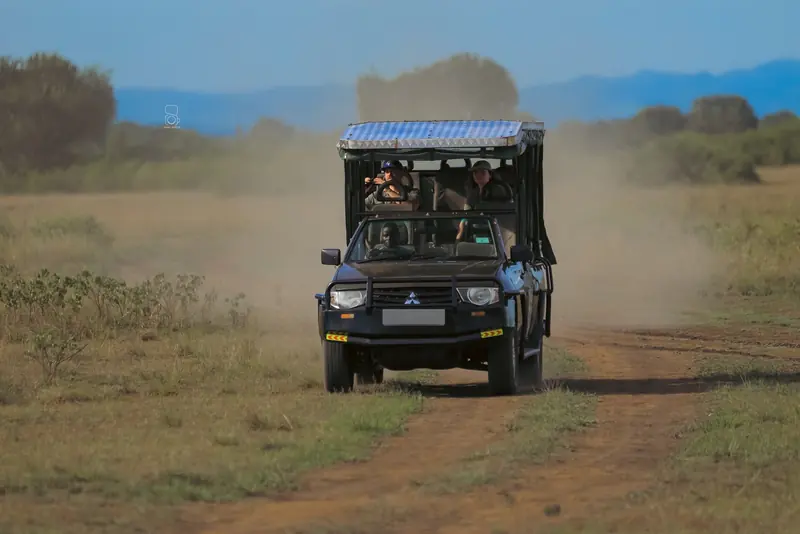
Finally, Uganda pairs easily with other primates and big game. Chimpanzee tracking in Kibale, tree-climbing lions in Ishasha and boat trips on the Kazinga Channel all sit within a day's drive of the gorilla forests. See our itineraries for combinations we run regularly.
Where you can trek
Bwindi Impenetrable Forest
Bwindi is a UNESCO World Heritage Site and the stronghold of the species. Trekking is organised through four sectors, each with its own park office, families and character. Read the full guide to Bwindi Impenetrable Forest, but in short:
- Buhoma in the north was the first sector opened to visitors. It has the longest tourism history, a good choice of lodges and the easiest access from Kihihi airstrip and the Queen Elizabeth side.
- Ruhija in the east sits higher and cooler. The forest here is thick with bamboo and is one of the best places in the country for montane birds.
- Rushaga in the south has the largest number of habituated families and is the only sector that offers the Habituation Experience.
- Nkuringo in the south-west is known for steep slopes and long views across the valley to the Virunga volcanoes.
Mgahinga Gorilla National Park
Mgahinga is small and sits on the slopes of three volcanoes on the border with Rwanda and Congo. One habituated family lives here, and it sometimes crosses the border for weeks, which means permits can be cancelled or moved. If a Mgahinga trek is important to you, keep your dates flexible and ask us about backup options in Rushaga. You can read more in our overview of destinations.
What a trek day looks like
Every trek follows the same pattern, though the length of the walk depends on where the family slept the night before.
- Early start. Breakfast at your lodge is usually around 6:00, and you drive to the park office for a briefing at about 7:30. Some sectors need a drive of 20 to 40 minutes on rough roads to reach the trailhead.
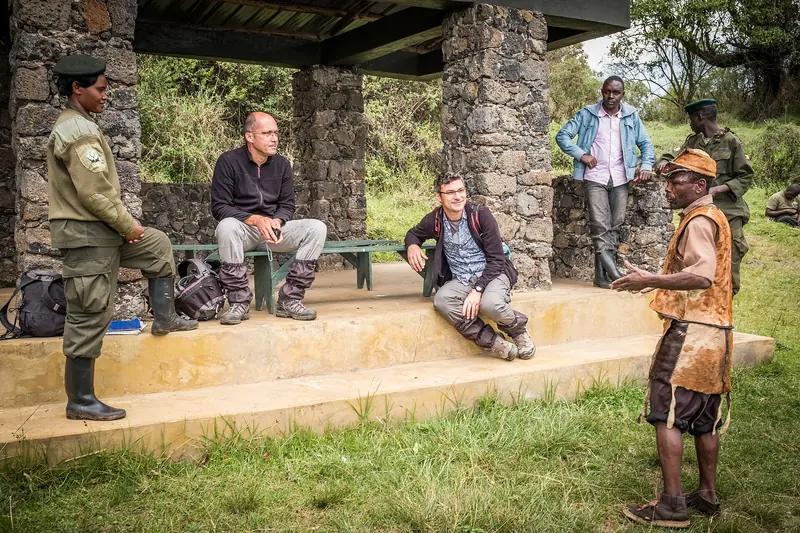
- Briefing and allocation. Rangers explain the rules, check your permit against your passport and assign each group of up to eight people to a family. Guides try to match fitness levels, so tell them if you would prefer a shorter walk.
- Tracking. Trackers leave at first light to find where the family built its nests. They radio the guides, who lead you by the most direct safe route. Walks range from thirty minutes to six hours out, and the return is usually shorter.
- Preparing to meet the gorillas. Near the family, you leave sticks and bags with porters and carry only cameras and water. Guides remind you of the rules once more.
- Your hour. The clock starts when you see the first animal. You spend the time watching the silverback, females feeding and juveniles playing, often only a few metres away. The hour is measured strictly, so it ends when the guides say it does.
- The walk out and certificates. Back at the park office, some sectors hand out certificates, and you can tip guides and porters. Most people are at their lodge by mid-afternoon.
Getting to the trekking areas
Bwindi and Mgahinga are in the far south-west, and the journey shapes how many days you need, so decide early how you want to travel.
- By road from Kampala or Entebbe. Expect eight to ten hours to Rushaga or Buhoma, with a lunch break at the equator crossing near Kayabwe. The scenery through Masaka, Mbarara and Kabale is worth watching, but a full day in the vehicle is tiring, so many people break the drive at Lake Mburo or Lake Bunyonyi.
- By air. Scheduled and charter flights from Entebbe or Kajjansi reach Kihihi airstrip for Buhoma and Ruhija, and Kisoro airstrip for Rushaga, Nkuringo and Mgahinga. The flight takes roughly an hour and a half and saves a day each way, which suits short trips.
- From Kigali, Rwanda. The road to Kisoro and Rushaga takes about four to five hours and crosses at Cyanika. This works well for travellers who fly into Kigali, and our itineraries include options that start there.
- Between sectors. Moving from Buhoma to Rushaga takes half a day by road, so treks in different sectors on consecutive days need a well-planned drive. We arrange this so you are never rushing to reach a briefing.
Whichever route you take, plan to arrive at your lodge the afternoon before the trek. Permits are date-specific, and a delayed arrival cannot be recovered.
Fitness, age and health
The minimum age is 15. You do not need to be an athlete, but you do need to be able to walk on steep, uneven, sometimes slippery ground for several hours. A steady pace matters more than speed, because the group waits for the slowest walker.
Practical points to prepare:
- Walk regularly with a loaded daypack for a few weeks before you travel, preferably on hills.
- Hire a porter at the park office. A porter carries your bag, gives you a hand on steep sections and earns income that stays in the local community. This is worthwhile even for fit trekkers.
- Do not trek if you have a cold, cough or stomach illness. Gorillas share about 98 percent of their DNA with us and catch human respiratory infections easily, so rangers may refuse to let you go. Face masks are required near the gorillas.
- Check vaccination requirements with your doctor well in advance. A yellow fever certificate is commonly asked for, and malaria prevention is advised for anyone travelling in Uganda.
Rules that protect the gorillas
- Stay at least seven metres from the animals. If a gorilla approaches, move back slowly and keep your eyes low.
- Keep your voice down and avoid sudden movements or pointing.
- Do not eat, drink or smoke within the viewing area.
- Photograph without flash. Fast lenses or a higher ISO help in the shade.
- If you need to sneeze or cough, cover your face and turn away from the group.
- Follow the guide's instructions immediately if the silverback shows displeasure. This may involve a short chest beat or a mock charge, and the correct response is to crouch and look away.
What you will actually see
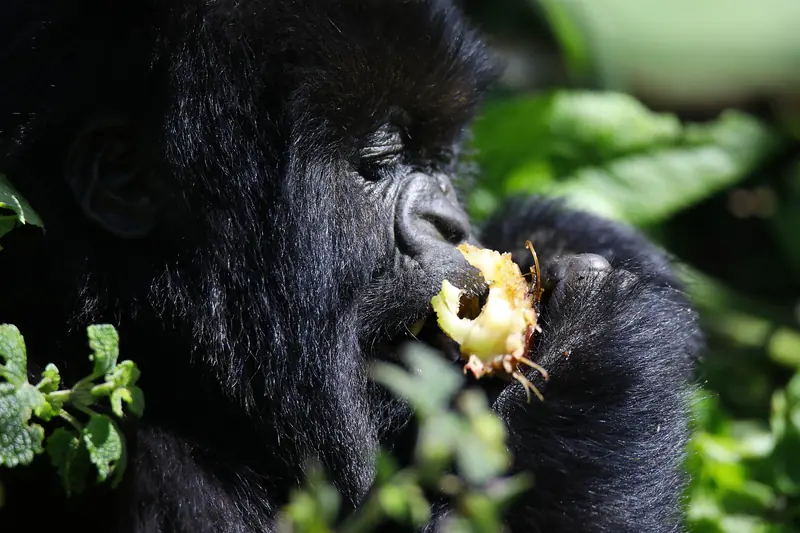
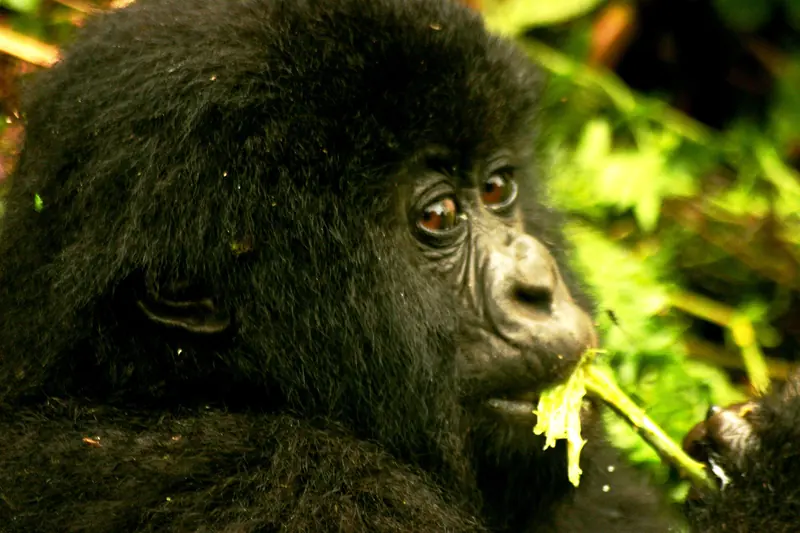
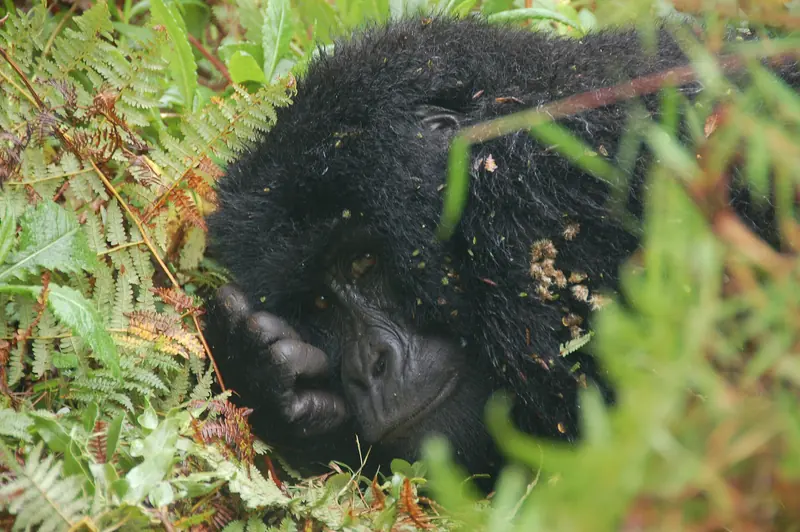
A family usually contains one dominant silverback, several adult females, blackbacks and juveniles. Depending on the time of day, you may see them feeding on leaves and stems, grooming, resting in the shade or building day nests. Infants are often the most active, and juveniles wrestle and swing on saplings. The silverback watches the group and the visitors calmly, and his size is striking: a large male weighs around 160 kilograms.
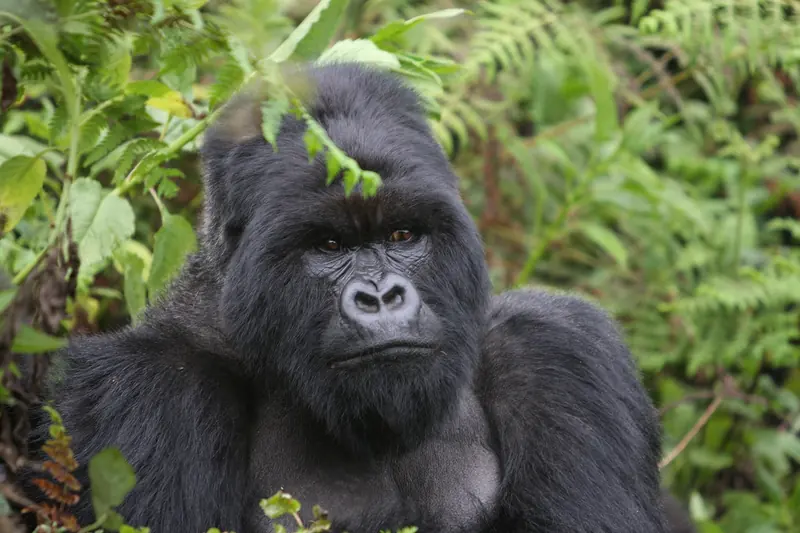
Conditions are shaded, damp and sometimes dark, so a phone camera will struggle. If photography matters, bring a camera with a lens of around 70 to 300 millimetres and a spare battery. Just as important, put the camera down for part of the hour and simply watch.
How to book and when
Trekking permits are issued by the Uganda Wildlife Authority, and we book them for you together with your lodge and transport. Our advice on timing:
- For June to September and December to February, start planning four to six months ahead.
- For the wetter months, two to three months is usually enough, although Rushaga and Nkuringo fill quickly.
- Decide your permit date first, then book flights. Lodges near each sector are limited, so we hold them together with the permit.
Learn how permits work in our permit guide, and check the best time to go before you fix dates. To learn more about the animals you will meet, read about the mountain gorillas themselves.
Not sure which sector suits you?
Tell us your fitness level, dates and whether you want to combine chimpanzees or safari. We match the sector and family to how you like to walk.
Ask a specialist